Kyoto Day Tours
I’m Serious Day Tour Man AI, your day trip expert. Ask me anything — where to go, how to get there, and what’s actually worth your day.
Kyoto is Japan’s temple capital, and its day trips run the full register: sacred deer who bow for crackers forty-five minutes south, the country’s greatest original castle an hour west, matcha at its source twenty minutes down the line, and Osaka — the national kitchen — close enough that dinner there and the last train home is a normal evening, not an expedition.
The city itself needs its own honesty section, because Kyoto’s most photographed sights come with etiquette rules and crowd math the postcards leave out.
Here’s what’s worth a day, with real times and honest trade-offs.

Popular Day Trips
Uji
The 20-Minute Train, the Phoenix Hall
Nara
The 35-Minute Kintetsu, the Bowing Deer
Kurama & Kibune
The Little Train, the Mountain Path
Nara — The Deer and the Great Buddha
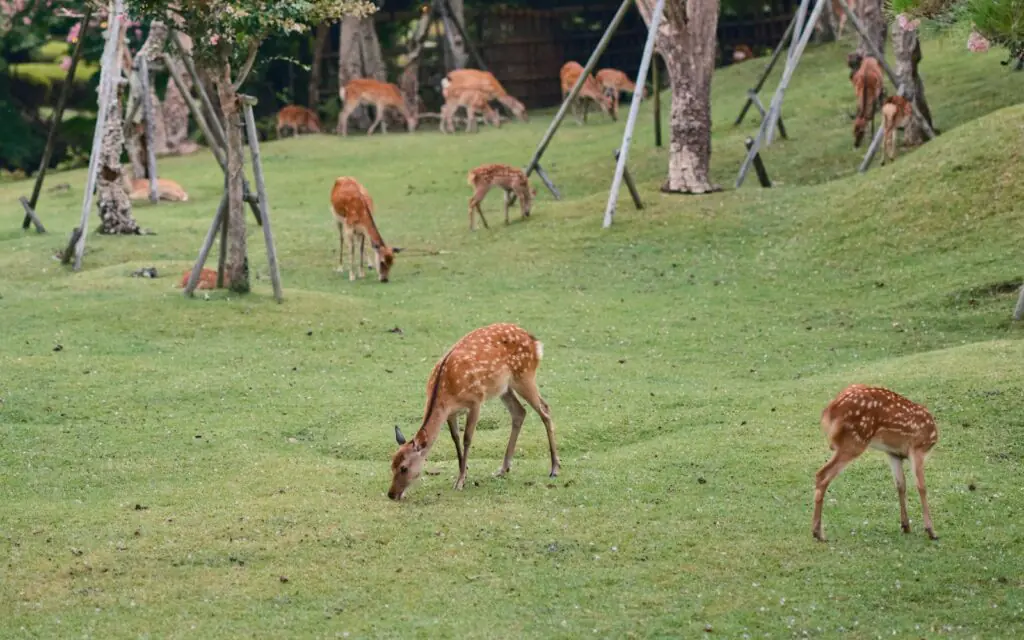
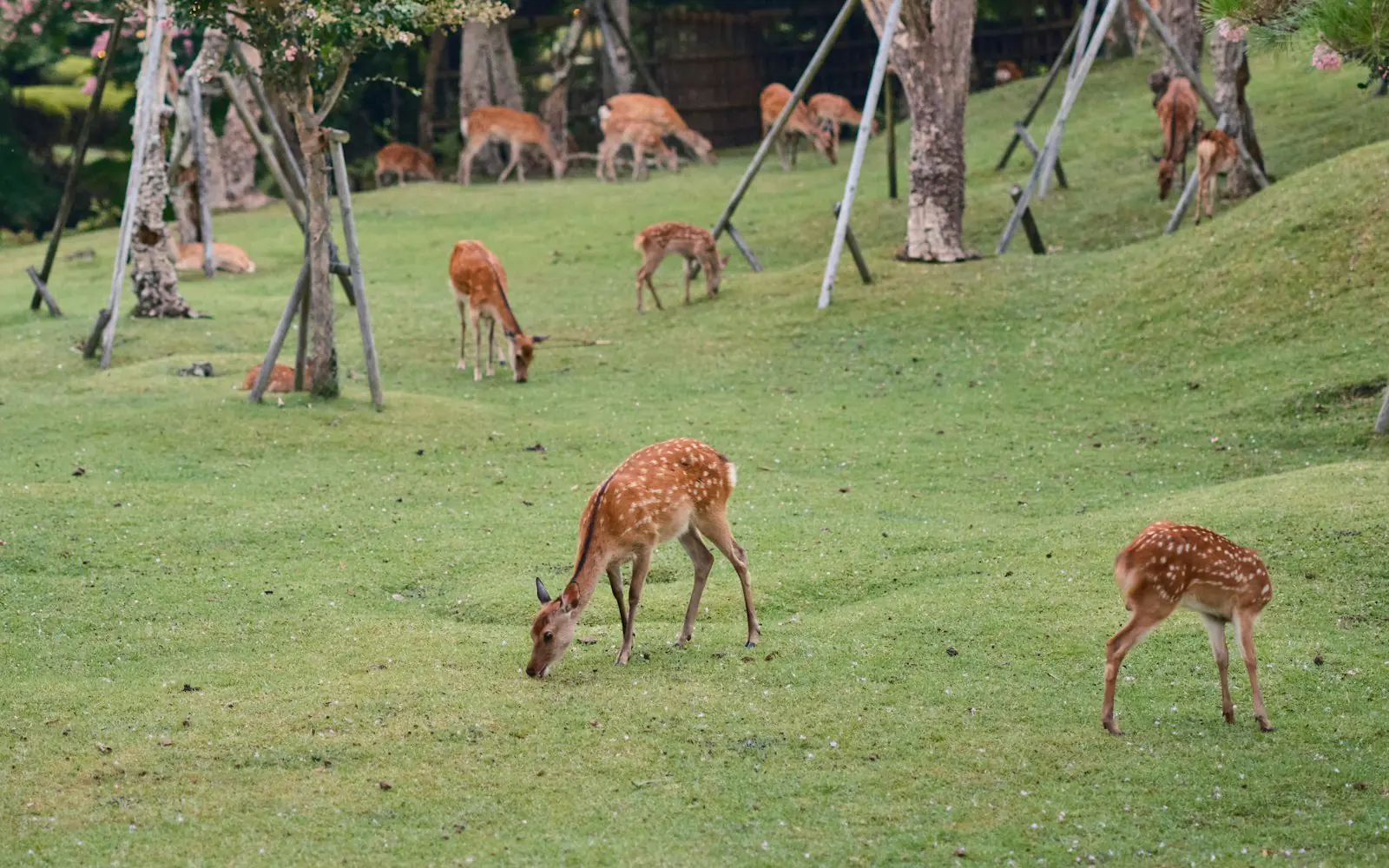
The essential trip: forty-five minutes by direct train to Japan’s first permanent capital, whose park holds the famous double act. About 1,200 free-roaming sika deer — sacred messengers by Shinto tradition, bowing by learned behavior — work the paths. Buy the official shika senbei crackers, bow, receive a bow, feed. Show flat empty hands to end the transaction, and know the deer are wild animals that can get pushy; small children should hold crackers with care.
Then Todai-ji: the Great Buddha Hall, among the largest wooden buildings on earth, houses the 15-meter bronze Daibutsu, whose scale no photograph delivers. The pillar with the hole “the size of the Buddha’s nostril” is the beloved footnote — children wriggle through for luck; adults reconsider.
Round out the day with Kasuga Taisha’s 3,000 lanterns in the deer-cropped forest, Kofuku-ji’s pagoda, and the mochi-pounding performances at Nakatanidou. A comfortable, complete day — the rare essential with no caveats on the destination itself.
Read the full Nara day-trip page.
Osaka — The Kitchen
Osaka is fifteen to thirty minutes by train, frequent enough to feel like a metro ride, and it is Kyoto’s opposite and antidote: loud where Kyoto is composed, feeding where Kyoto contemplates. The local verb is kuidaore — eat yourself to ruin — and the itinerary obeys.
The program: Dotonbori’s neon canyon, with the Glico runner sign as the civic photo. Street food as the main event — takoyaki from the stalls that invented it, okonomiyaki done Osaka-style, kushikatsu in Shinsekai with the no-double-dipping rule posted and enforced — plus Kuromon market for the graze.
The castle honesty: Osaka Castle is a 1931 concrete reconstruction with an elevator. It’s magnificent from the park and museum-like inside, so see it from the grounds and spend those interior hours eating instead. Evening is Osaka’s best format: go late afternoon, eat through Dotonbori, catch the last train home. It’s the best night out within reach of Kyoto.
Uji — Matcha at the Source
Twenty minutes south, Uji is to green tea what Parma is to cheese: Japan’s matcha capital since the 1200s, where the tea houses on the river approach have poured for centuries. The tasting ladder runs from matcha soft-serve (the gateway) through parfaits to a proper tea ceremony or a grind-your-own-matcha workshop — book the hands-on sessions ahead, because they’re what people remember.
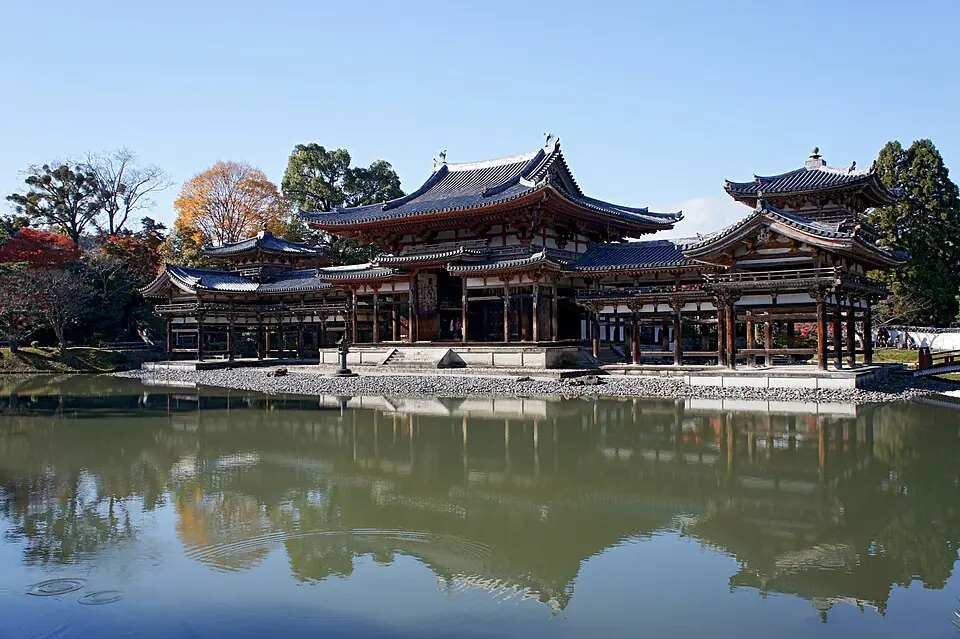
The heritage double: Byodo-in, the Phoenix Hall floating on its pond — the building on the ten-yen coin, an 11th-century vision of the Pure Land, whose underground museum holds the original phoenixes and bodhisattvas. Entering the hall’s interior costs an extra ¥300 and runs in 50-person slots every 20 minutes, first come at the garden reception. Nearby, Ujigami-jinja is quietly the oldest shrine building in Japan.
The Tale of Genji ends its chapters here, and the museum obliges; cormorant-fishing nights run on the river in midsummer. The whole town walks in a half day, pairing naturally with a Fushimi Inari morning, since the same Keihan line serves both. Matcha-everything pricing scales with tourism, but the venerable houses — Tsuen claims 1160 and the world’s-oldest-teahouse title — charge fairly for the real thing.
Read the full Uji day-trip page.
Himeji — The Real Castle
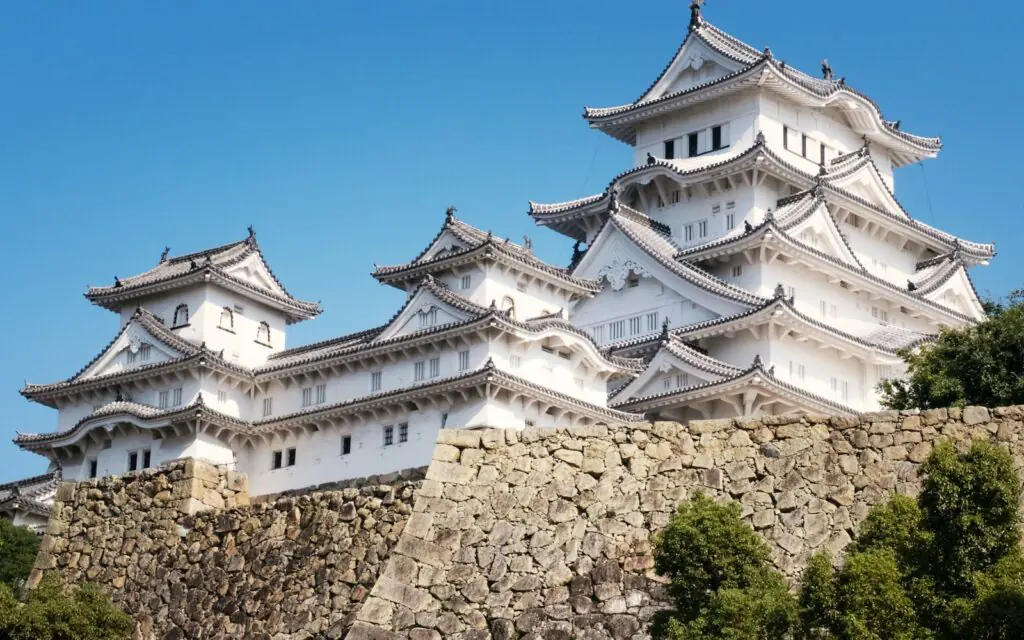
An hour west by shinkansen stands the distinction worth drawing: Himeji-jo is the castle. Original, never burned, never bombed — the 1945 firebombing of the city famously left it standing, with an unexploded incendiary on the top floor — it is a white-plastered fortress complex so complete that walking its maze-designed approaches and bare wooden keeps is the authentic experience every concrete reconstruction gestures at.
The sorting for Japan itineraries: one original castle properly seen beats five reconstructions sampled, and Himeji is the one. Plan for the 2026 change: admission rose in March to ¥2,500 for non-resident adults, under-18s now enter free, and there’s no reservation system — when it’s crowded, you queue for the keep, so arrive early.
The visit runs two to three hours through the graded gates and the six-story keep — steep original stairs, shoes off, bags in hand — with the Nishinomaru corridor for the princess-quarters counterpoint and Koko-en, the nine-garden complex next door, as the exhale. Spring makes it Japan’s most famous cherry-blossom castle view, with crowds to match. Kobe — beef lunch, earthquake memorial — slots onto the same line home for the ambitious.
Kurama & Kibune — The Mountain Sleeper
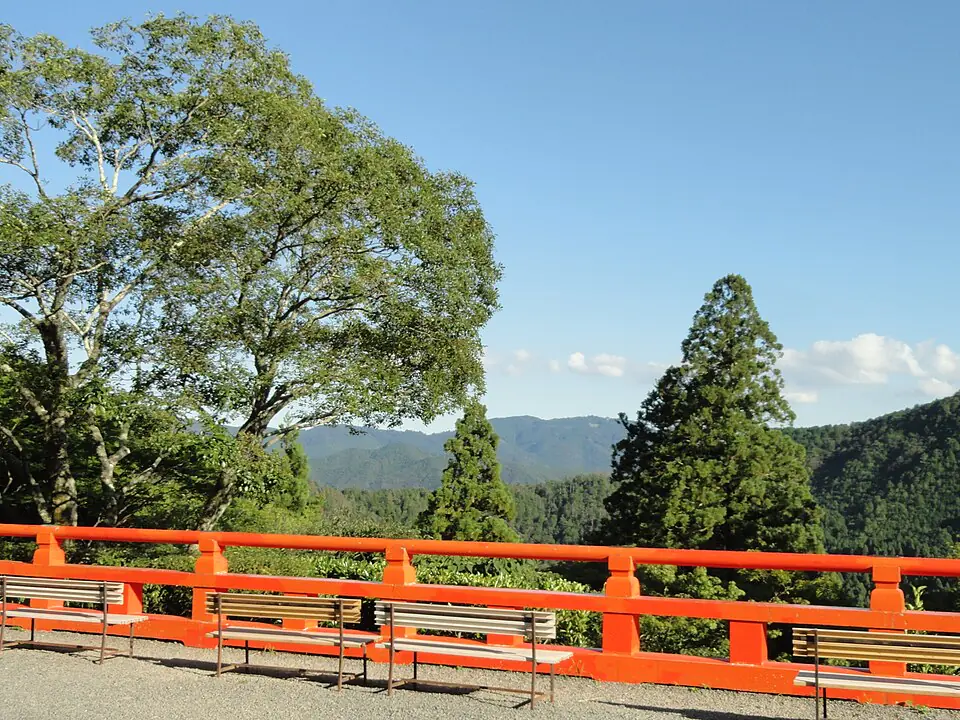
The connoisseur’s half day runs thirty minutes north on the little Eizan railway into the forested hills. The classic circuit: start at Kurama, climb through the temple’s cedar-and-lantern mountainside — Kurama-dera is the birthplace of reiki, and legend has the warrior-monk Yoshitsune training here under the tengu — then descend the root-webbed path to Kibune, the shrine village strung along a stream.
The seasonal reason to go: in summer, Kibune’s restaurants build kawadoko, dining platforms set directly over the flowing water. Lunch is served above the current, degrees cooler than the city, and booked accordingly. In other seasons, the Kifune shrine’s lantern stairway and the water-drawn fortunes — the paper’s text appears as it floats on the sacred stream — carry the visit. Finish at Kurama Onsen’s outdoor bath back at the trailhead, mountain view included.
It takes two to three hours of walking on moderate grades, and it is the least-touristed genuinely great day in Kyoto’s orbit.
Read the full Kurama & Kibune day-trip page.
Fushimi, the Bamboo & Kyoto Itself
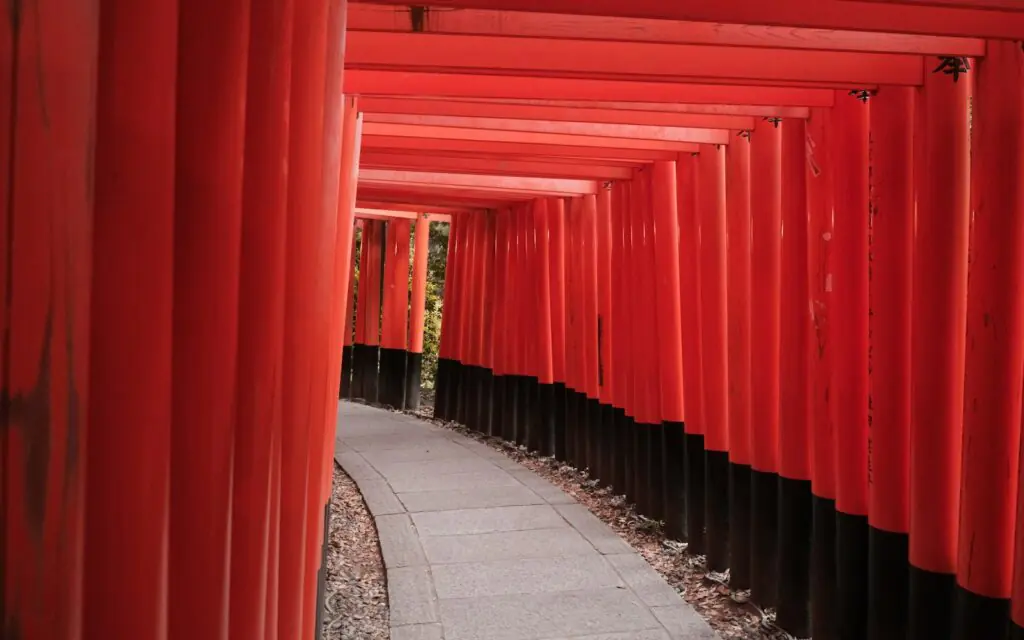
Start with crowd math. Fushimi Inari — the ten thousand vermilion torii climbing the mountain — is open 24 hours and free, and that is the whole strategy: walks before 7 a.m. or after dusk get the tunnels that midday shares with everyone. One structural note: most visitors turn back at the Yotsutsuji viewpoint mid-mountain, so the upper loop stays quiet even at noon.
Set expectations for Arashiyama’s bamboo grove: it’s a beautiful ten-minute path, not a forest expedition. Go at dawn and pair it with the district’s actual depth — Tenryu-ji’s garden, the Okochi Sanso villa whose entry fee buys tea and near-solitude, and the monkey park’s earned view. The grove works as one course, not the whole meal.
Now the etiquette Kyoto requires. Gion is a working geisha district, not a theme park: photography in the private alleys is banned and fined, and geiko and maiko on their way to appointments are working professionals, not photo props. The respectful version is a paid cultural performance or the seasonal Miyako Odori dances. Pace the temples honestly too — Kyoto has 1,600, and the failure mode is sampling ten. The formula: two or three per day, chosen for contrast — one grand (Kiyomizu-dera at opening, or Kinkaku-ji’s gold), one Zen (Ryoan-ji’s rock garden, early), one quiet (almost anything in the northwest hills) — with a garden sit built in.
The rituals: Nishiki market’s graze, a kaiseki splurge or its discounted lunch version, yudofu near Nanzen-ji as the temple cuisine, and the Kamo river banks at dusk, which cost nothing and give the city at its calmest. Cherry blossom and autumn foliage are Kyoto at its most beautiful and most booked; reserve everything, or aim for the shoulder weeks either side, which keep most of the beauty and shed most of the crush.
Frequently Asked Questions
Is Nara worth a day trip from Kyoto?
The essential one — 45 minutes to the bowing deer, the Great Buddha, and the lantern paths of Kasuga Taisha. Buy official crackers, bow back, and show empty hands when done.
Should you visit Osaka Castle?
From the park, yes — it’s a handsome 1931 concrete reconstruction with an elevator inside. Spend the interior hours in Dotonbori instead; Osaka’s real monument is dinner.
Why Himeji over other Japanese castles?
It’s original — never burned or bombed, bare wood and maze-gates intact. One authentic castle beats five reconstructions, and an hour by shinkansen makes it Kyoto’s best architecture day. Admission is ¥2,500 for non-resident adults as of March 2026; under-18s are free.
How do you avoid crowds at Fushimi Inari?
Go before 7 a.m. or after dusk — it’s open and free 24 hours — and climb past the mid-mountain viewpoint where most visitors turn back; the upper loop stays quiet even midday.
What are the rules for visiting Gion?
It’s a working district: private-alley photography is banned and fined, and geisha on their way to work are not photo opportunities. Book a performance or the seasonal dances for the respectful version.