Kurama to Kibune
A little train north, a mountain path links a tengu temple to a water shrine — ninety minutes of cedar and lamplight, with summer platforms serving dinner over the river itself and fortunes that appear in water.
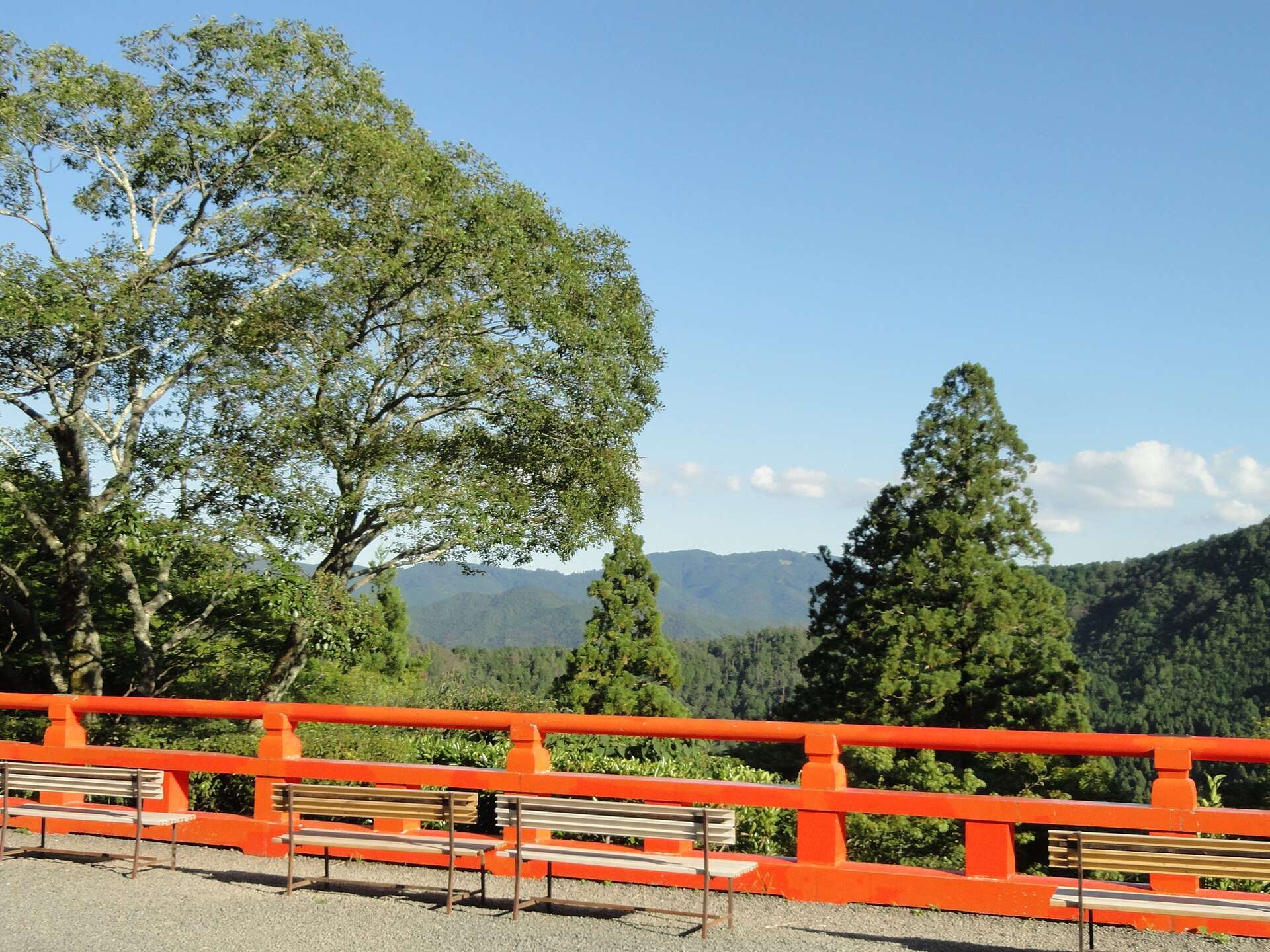
The short version
- The Eizan railway runs Demachiyanagi to Kurama in about thirty minutes at local fares — a two-car mountain line whose maple-tunnel stretch is its own attraction in November — with Kibune-guchi station one stop short for the reverse walk.
- Kurama-dera — founded in 770 and steeped in tengu lore (the mountain-goblin guardians whose long-nosed statue meets you at the station) — climbs from the village gate through pagoda terraces to the main hall, by stone steps or the small cable car for the first stretch.
- The mountain path per the alarm crosses from the temple’s main hall over the ridge to Kibune in ninety minutes to two hours: cedar roots, mossy shrines, the osugi-gongen giants, and a descent into the ravine village — walkable in either direction, with Kurama-to-Kibune the gentler grade.
- Kibune runs one lane along its river, anchored by Kifune Shrine — dedicated to the deity of water, its lantern-lined stone staircase the valley’s defining photograph — where the omikuji fortunes come blank and reveal their text when floated on the sacred water, per the alarm’s small ceremony.
- The kawadoko season (roughly June–September) builds dining platforms directly over the river: kaiseki courses served above the current, air ten degrees kinder than the city, reservations essential and prices honest about what the setting adds.
- The Kurama Fire Festival (Yuki Shrine, October 22) turns the village into a procession of giant flaming torches — one of Kyoto’s three great festival spectacles, with train crowds to match per the alarm’s go-deliberately-or-avoid clause.

Getting there
The Eizan line is the whole logistics: frequent local trains, the tengu statue confirming your stop, and the loop shape (in via Kurama, out via Kibune-guchi, or reversed) that lets the mountain path replace any backtracking. The cable car spares the temple’s first flight for those who want it; the path itself asks proper shoes and water rather than fitness heroics. Kawadoko evenings extend the day — book the platform first and let the hike fill the daylight before it.
The day
Kurama village first: the gate, the steps, and the temple’s terraces opening views back down the valley — the main hall’s platform is the mountain’s power-spot centerpiece, taken at whatever register you bring to it. Then the ridge path per the alarm: cedar shade, the exposed-root stretch the photographs favor, small shrines collecting coins and silence, and the long stair descent into Kibune’s ravine. The village runs one lane: Kifune Shrine’s lantern staircase, the water-revealed fortune (the paper’s text surfacing in the basin is better theater than it has any right to be), and the upper shrine’s quieter grove for the extra fifteen minutes. Summer visitors take the kawadoko hours over the river — the courses arriving above the current, the air conditioning provided by the mountain itself. The walk out to Kibune-guchi station follows the stream; the little train home threads the valley it came by.
When to go
May and June run fresh green and the kawadoko season’s opening; July and August make the valley Kyoto’s classic heat escape, with the platforms at full service and full booking. November turns the Eizan line’s maple tunnel and the mountain path into the season’s best colors — crowded, and worth it. October 22 is its own rule per the alarm: the fire festival’s torches are the real thing and so is the train crush — go early, stay late, or pick another day entirely. Winter strips the path to bare cedar quiet; snow days close nothing but ask real footwear.
Frequently Asked Questions
How hard is the hike really?
Ninety minutes to two hours of genuine stairs and mountain path — steady rather than steep, with the Kurama-to-Kibune direction taking the climbing in the temple’s stepped sections where the scenery pays for it. Proper shoes matter; hiking gear doesn’t. The cable car trims the first flight; the rest is on your legs.
What’s a kawadoko meal actually like?
Kaiseki or simpler courses served on tatami platforms built over the flowing river — the water inches below, the temperature drop immediate, the setting doing half the work. Prices run high-end restaurant tier and book out summer weekends well ahead. Lunch sittings cost less than dinner; the river performs identically at both.
What’s the tengu connection at Kurama?
Legend places the king of the tengu on this mountain — and credits him with training the young warrior Yoshitsune in swordsmanship among these cedars. The giant tengu mask at the station and the temple’s iconography carry it. It’s told as the mountain’s beloved lore, which is exactly what it is.
Do the water fortunes really work blank?
The omikuji paper looks blank until floated on the shrine’s spring water, where the printed fortune surfaces — water-reactive ink serving a water deity, which is the kind of coherence shrines do well. A QR code offers translations these days. It costs a few hundred yen and outperforms most theater at that price.
Kurama-Kibune or Uji from Kyoto?
Uji (documented on this network) for the Byodo-in’s phoenix hall and the tea tradition; Kurama-Kibune for mountain path and river air. Culture-and-caffeine versus cedar-and-water — summer heat argues hard for the mountain, November splits the vote between Uji’s temple and the Eizan maples.