Uji, the Tea Town
Twenty minutes from Kyoto to the building on the ten-yen coin and the tea fields that set Japan’s standard.
The short version
- JR Nara line rapids reach Uji from Kyoto Station in about 20 minutes; the Keihan line serves the other riverbank. Rail info at westjr.co.jp.
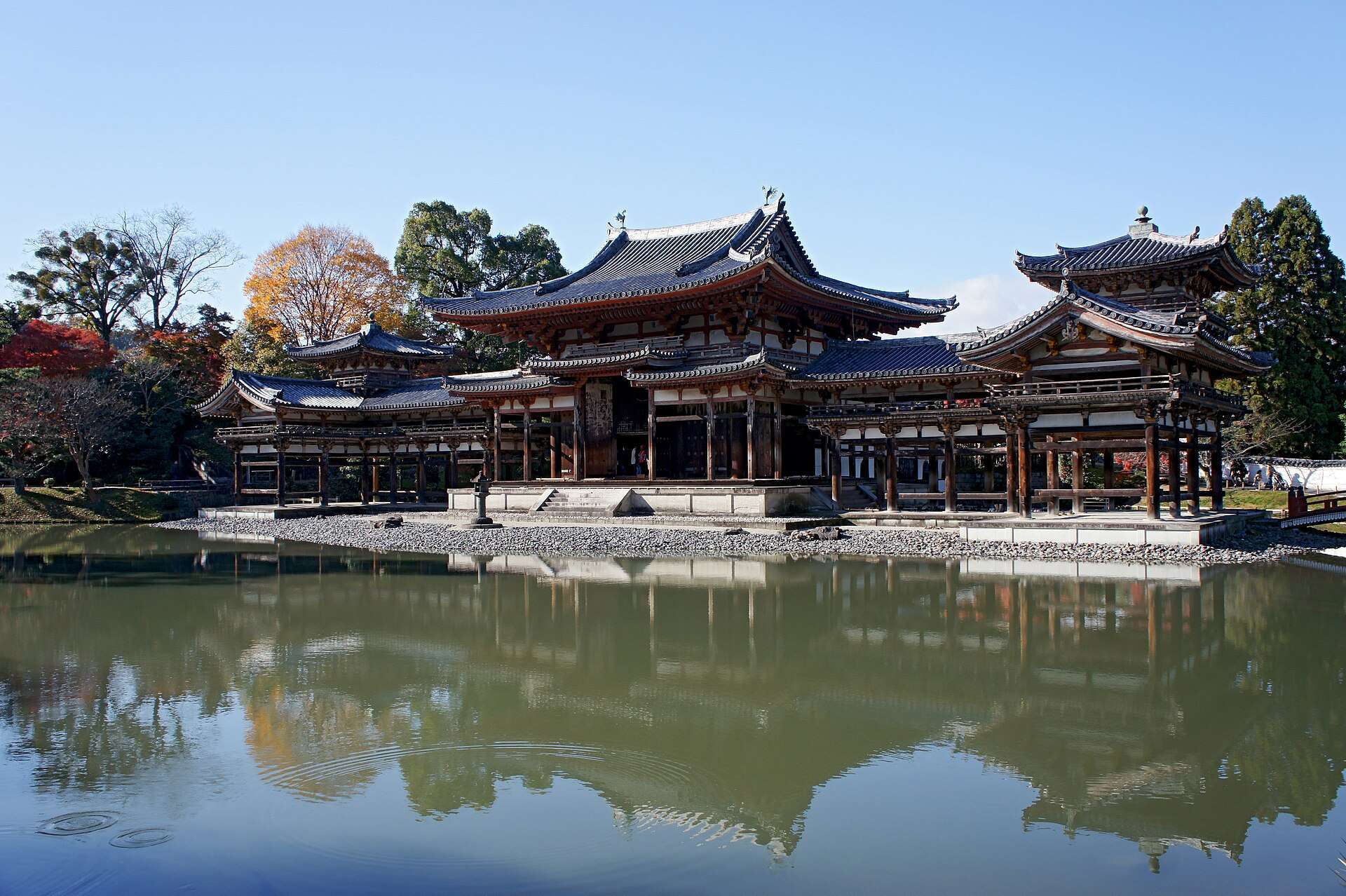
- Byodo-in’s Phoenix Hall — the building on the ten-yen coin — floats on its pond with the museum’s original phoenixes and bells behind it; details at byodoin.or.jp.
- Interior visits run in small timed groups, ticketed on site the same day — the alarm above is the mechanics.
- Across the river, Ujigami-jinja is held to be the oldest standing shrine building in Japan — small, quiet, and five uphill minutes most visitors skip.
- Omotesando street is the tea gauntlet: centuries-old houses selling matcha as drink, ice cream, soba, and everything between. Taste before you buy.
- The Tale of Genji’s final chapters are set here; the museum by the Keihan station covers the world’s arguably first novel in its own town.

Getting there
From Kyoto Station, the JR Nara line rapid does Uji in about 20 minutes for pocket change — no reservations, no planning. The Keihan line from central Kyoto’s east side lands on the far riverbank by the Genji museum. Uji’s sights cluster along both banks of its river and the bridge between them; everything is walkable from either station.
The day
Byodo-in first, per the alarm: take your numbered interior slot, then the garden angles on the Phoenix Hall and the treasure museum until it is called. Cross the river by the Asagiri bridge to Ujigami shrine and the quiet bank, then recross for the Omotesando tea street — a proper sit-down matcha at one of the old houses, not just the ice cream, though also the ice cream. The Genji museum or a riverside walk upstream closes the afternoon; in summer, cormorant-fishing boats run the evening if you stretch the day.
When to go
April wraps the river approach in cherry blossom; May is new tea season, when the year’s first harvest hits the shops. October and November put maples over the Phoenix Hall pond. Summer brings green depth, humidity, and the evening cormorant fishing. Uji absorbs Kyoto’s overflow crowds without ever quite feeling like them — midweek mornings are silent by comparison.
Frequently Asked Questions
Is Uji worth leaving Kyoto for?
For the Phoenix Hall and real tea culture, yes — and it costs 20 minutes each way. It pairs naturally with Fushimi Inari on the same line if your legs are ambitious.
How does the Phoenix Hall interior work?
Small groups, timed, ticketed same-day at the site on top of garden admission. Slots go through the day; arriving early gets the pick of them.
Do I need the tea ceremony experience?
A sit-down bowl of properly whisked matcha at an old Omotesando house delivers the point without ceremony pricing. Workshops that grind your own go deeper and book out — reserve ahead.
What is special about Uji tea?
Centuries of first-rank growing and grinding — Uji matcha and gyokuro set the national standard. Buying tea here is buying at the source, and the shops let you taste.
Is the Genji museum worth it for non-readers?
It is a short, visual hour on court life and the book’s world — enough to understand why the town claims it. Readers linger; everyone else takes the river instead.